
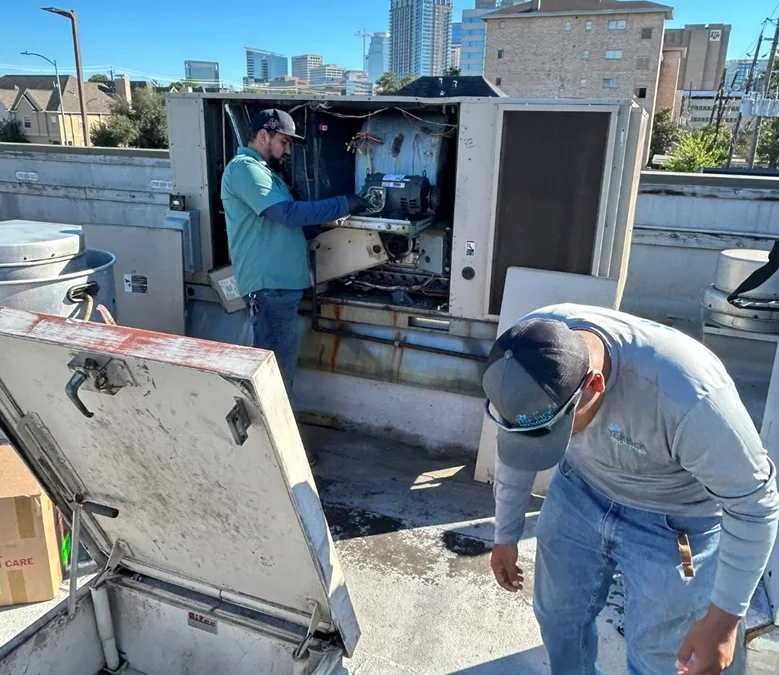
Building codes exist to protect public safety, ensure proper building performance, and establish minimum standards for mechanical systems, including commercial HVAC equipment. These regulations aren’t optional recommendations; they’re enforceable requirements that businesses must meet to maintain operating permits and avoid citations that can result in fines, required corrective actions, or even temporary operational shutdowns in severe cases.
Many business owners don’t realize that HVAC maintenance directly impacts building code compliance. Systems installed correctly but maintained poorly eventually violate code requirements as performance degrades, safety features fail, or equipment operates outside design specifications. Understanding the connection between consistent HVAC maintenance and regulatory compliance protects businesses from preventable violations while ensuring safe, efficient building operations.
Building Code Requirements for Commercial HVAC Systems
Local building codes typically adopt and modify national standards, including the International Mechanical Code (IMC), International Building Code (IBC), and standards established by organizations like ASHRAE (American Society of Heating, Refrigerating and Air-Conditioning Engineers). Texas municipalities, including Fresno and surrounding communities, adopt these standards with local amendments addressing regional climate conditions and specific safety concerns.
Code requirements cover multiple HVAC system aspects, including minimum ventilation rates for occupied spaces, combustion air supply for fuel-burning equipment, refrigerant safety standards, electrical installation requirements, and emergency ventilation provisions. Systems must maintain the performance levels specified during original installation throughout their operational life.
Ventilation codes mandate minimum fresh air introduction rates based on occupancy type and building use. Restaurants, offices, retail spaces, and healthcare facilities each face different ventilation requirements reflecting their specific indoor air quality needs. HVAC systems must deliver code-required ventilation continuously during occupied hours.
Safety codes require regular testing of safety controls, proper refrigerant containment, adequate clearances around equipment, and functional emergency shutoffs. These provisions protect building occupants and first responders from hazards, including refrigerant leaks, carbon monoxide exposure, electrical hazards, and fire risks.
Energy codes establish minimum efficiency standards for HVAC equipment and building envelope performance. While older equipment may be grandfathered under regulations in effect at installation, modifications or replacements trigger compliance with current energy codes requiring higher-efficiency equipment.
How Poor Maintenance Creates Code Violations
Neglected HVAC maintenance allows systems to drift out of compliance gradually. A system meeting all code requirements at installation can violate multiple provisions within years if maintenance is deferred or inadequate.
Inadequate ventilation from clogged filters, failed fans, or damaged ductwork reduces fresh air delivery below code-required minimums. Building inspectors measuring ventilation rates during routine inspections or complaint-driven visits cite violations when systems fail to meet specified air changes per hour or outdoor air percentages. Understanding the importance of regular filter changes helps prevent ventilation-related violations that commonly occur in commercial facilities.
Failed safety controls create immediate code violations. Pressure switches, limit switches, flame sensors, and refrigerant leak detectors must function properly to satisfy safety code requirements. Deferred maintenance allows these critical safety devices to fail, creating hazardous conditions that violate fundamental code provisions protecting occupant safety.
Refrigerant leaks violate environmental regulations and safety codes simultaneously. Systems losing refrigerant operate inefficiently while releasing substances regulated under EPA guidelines. Inspectors discovering refrigerant leaks cite violations requiring immediate repair and documentation of proper refrigerant handling.
Blocked emergency exits, insufficient clearances around equipment, and obstructed ventilation pathways all represent code violations often discovered during routine inspections. While not strictly maintenance issues, these conditions frequently develop as facilities evolve and equipment receives inadequate attention.
Electrical code violations develop when maintenance personnel perform unauthorized modifications, when connections deteriorate from lack of inspection, or when equipment operates with damaged wiring. Only licensed electricians should perform electrical work on commercial HVAC systems, yet businesses sometimes attempt repairs that create code violations and safety hazards.
Inspection Triggers and Compliance Verification
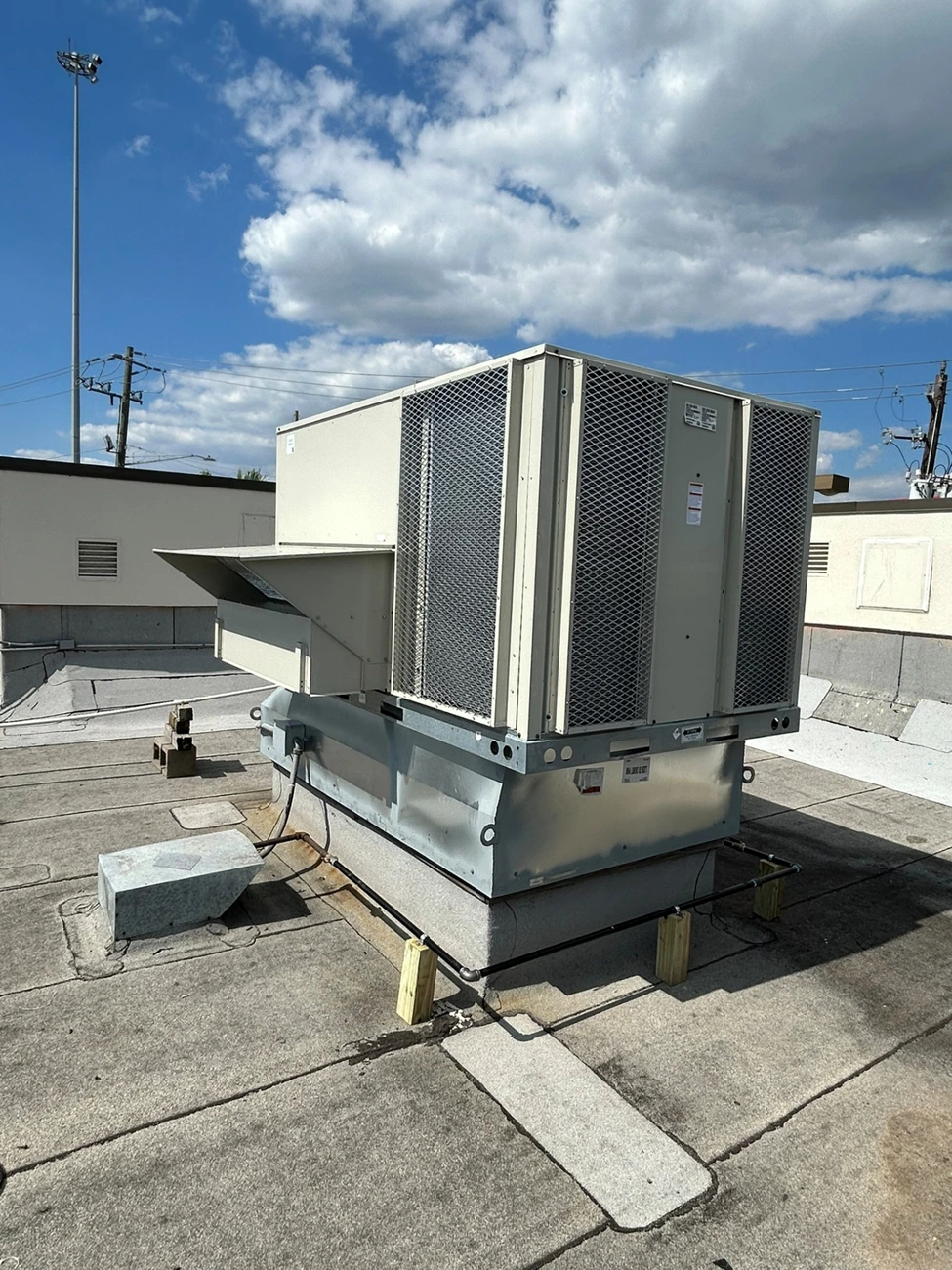
Multiple circumstances trigger building code inspections that evaluate HVAC system compliance. Understanding when inspections occur helps businesses prepare and maintain systems appropriately.
Routine inspections conducted by local building departments evaluate overall facility compliance, including HVAC systems. Inspection frequency varies by jurisdiction and facility type, with some commercial buildings inspected annually while others face inspections every 2-3 years.
Complaint-driven inspections occur when employees, customers, or neighboring businesses report concerns about ventilation, indoor air quality, unusual odors, or visible equipment problems. These inspections focus specifically on reported issues but often expand to evaluate overall HVAC compliance once inspectors are on-site.
License renewal inspections for restaurants, healthcare facilities, and other regulated businesses include HVAC system evaluation. Health departments and licensing agencies verify that ventilation systems meet requirements specific to licensed activities.
Property sale or transfer inspections require HVAC system evaluation as part of due diligence. Buyers discovering code violations during pre-purchase inspections typically require sellers to address violations before closing or negotiate price reductions reflecting required correction costs.
Insurance inspections evaluate building systems, including HVAC equipment. Insurers identifying code violations may require corrections as conditions of coverage renewal or may increase premiums to reflect elevated risks from non-compliant systems.
Permit applications for renovations or tenant improvements trigger inspections of existing HVAC systems. Jurisdictions often require existing systems serving modified spaces to meet current codes before approving permits for other work.
Documentation Requirements for Code Compliance
Building codes increasingly require documentation proving that HVAC systems receive appropriate maintenance and operate within design parameters. This documentation protects businesses during inspections while demonstrating responsible facility management.
Maintenance records showing regular professional service satisfy the inspector’s requirements for proof of system care. Service reports documenting filter changes, refrigerant level checks, safety control testing, and mechanical component inspection demonstrate compliance with maintenance obligations.
Test and balance reports verify that HVAC systems deliver the designed airflow throughout facilities. These reports, typically prepared during system commissioning, establish baseline performance that maintenance should preserve. Updated testing performed periodically confirms systems continue meeting ventilation code requirements.
Refrigerant logs documenting all refrigerant additions, system charges, and leak repairs satisfy EPA record-keeping requirements. These logs must include dates, refrigerant types, quantities, technician certifications, and disposal documentation for recovered refrigerants.
Equipment replacement records track component age and modification history. When inspectors question equipment condition or appropriateness, documentation showing recent replacements or upgrades demonstrates active facility management and code compliance efforts.
Emergency procedure documentation, including evacuation plans, emergency contact information, and equipment shutdown procedures, satisfies safety code requirements for commercial facilities. HVAC-related emergencies, including refrigerant leaks or combustion problems, require specific response protocols.
Preventive Maintenance Programs and Code Compliance
Systematic preventive maintenance programs provide the most reliable approach to maintaining code compliance throughout HVAC system life. Extending your commercial HVAC system’s lifespan through proper maintenance simultaneously ensures ongoing regulatory compliance that protects your business operations.
Scheduled professional maintenance every six months addresses the mechanical, electrical, and safety requirements that codes mandate. Technicians performing comprehensive service verify that safety controls function properly, refrigerant systems maintain proper charge, electrical connections remain secure, and ventilation delivery meets design specifications.
Filter maintenance programs ensure regular replacement to prevent the ventilation degradation that creates code violations. Clean filters allow systems to deliver the designed airflow while protecting indoor air quality standards that codes establish for occupied spaces.
Calibration services for control systems ensure temperature and ventilation controls operate accurately. Drift in sensor calibration or control programming can cause systems to under-ventilate spaces, creating code violations even when mechanical components function properly.
Documentation systems integrated into maintenance programs generate the service records that inspectors request during compliance evaluations. Professional HVAC contractors provide detailed service reports that businesses retain as proof of regulatory compliance.
Emergency response plans developed with HVAC professionals ensure businesses can respond appropriately to system failures that might create code violations or safety hazards. Having established relationships with qualified contractors allows for a rapid response when problems develop.
Consequences of Code Violations
Building code violations carry consequences extending beyond citation notices. Understanding potential impacts motivates businesses to maintain HVAC systems properly and address problems promptly.
Financial penalties for code violations vary by jurisdiction and violation severity, but typically range from hundreds to thousands of dollars per violation. Repeat violations or serious safety deficiencies trigger higher fines and more aggressive enforcement actions.
Stop-work orders halt business operations until violations are corrected and re-inspected. Restaurants, retail stores, and other customer-facing businesses lose revenue for every day forced to close due to code violations. Lost income from mandated closures often exceeds violation correction costs substantially.
Increased insurance premiums result when insurers learn about code violations during routine inspections or claim investigations. Some insurers refuse coverage renewal when significant violations remain uncorrected, forcing businesses into high-risk insurance markets with substantially higher premiums.
Liability exposure increases when code violations contribute to injuries or property damage. Businesses operating with known violations face enhanced liability in civil litigation following incidents related to non-compliant systems.
Reputation damage from publicized code violations affects customer perception and community standing. Online reviews mentioning health department citations or building code violations discourage potential customers who research businesses before visiting.
Difficulty selling or refinancing property occurs when due diligence inspections reveal code violations. Resolving violations before completing transactions delays sales, while correction costs reduce seller proceeds or buyer financing amounts.
Working with Qualified HVAC Professionals
Code compliance requires working with properly licensed HVAC contractors holding current certifications for refrigerant handling, electrical work, and mechanical system installation and repair. Unlicensed contractors cannot provide the documentation and warranty coverage that code compliance requires.
Licensed contractors understand current code requirements and design service programs, ensuring systems meet regulatory standards. Their expertise helps businesses navigate complex code provisions and satisfy inspector requirements during compliance evaluations.
Professional contractors carry appropriate insurance protecting businesses from liability during service work. This insurance proves especially important during correction work addressing code violations, where errors might worsen compliance situations.
Established relationships with qualified contractors enable rapid response when inspections identify violations requiring immediate correction. Contractors familiar with your systems respond more efficiently than unfamiliar services learning equipment configurations during emergencies.
Proactive Compliance Strategies
Smart businesses approach code compliance proactively rather than reactively responding after violations occur. Proactive strategies reduce risks while demonstrating responsible facility management.
Annual third-party inspections by HVAC professionals identify potential compliance issues before official building inspectors discover them. Self-initiated evaluations allow correction at convenient times rather than under enforcement pressure following official citations.
Staff training about HVAC-related code requirements helps employees recognize potential problems and report concerns before violations develop. Educated staff become compliance partners rather than passive building occupants.
Budgeting for HVAC maintenance and compliance-related upgrades prevents financial surprises when corrections become necessary. Planned expenditures cost less than emergency responses to enforcement actions.
Relationships with building department officials provide guidance about code interpretation and compliance expectations. Many jurisdictions offer pre-inspection consultations, helping businesses understand requirements before formal inspections.
Frequently Asked Questions
How often are commercial HVAC systems inspected for code compliance?
Inspection frequency varies by jurisdiction and facility type. Most commercial buildings face routine inspections every 1-3 years, while licensed facilities like restaurants and healthcare operations may receive annual inspections. Complaint-driven inspections occur anytime concerns are reported. Regular preventive maintenance helps ensure systems pass inspections whenever they occur.
What are the most common HVAC-related code violations in commercial buildings?
The most common violations include inadequate ventilation from clogged filters or failed fans, non-functional safety controls, refrigerant leaks, improper electrical connections, insufficient equipment clearances, and missing or outdated documentation. Most violations result from deferred maintenance rather than installation deficiencies.
Can I perform HVAC maintenance myself to save money while staying code compliant?
Basic tasks like filter changes can be performed by trained facility staff, but code compliance requires professional service by licensed HVAC technicians for refrigerant work, electrical repairs, safety control testing, and ventilation verification. Professional documentation proves compliance during inspections in ways self-performed maintenance cannot.
What happens if my business receives an HVAC-related code violation?
Violations typically include correction deadlines ranging from immediate (for serious safety issues) to 30-90 days for less critical problems. Businesses must hire licensed contractors to correct violations, obtain required permits for correction work, and schedule re-inspection to verify compliance. Failure to correct violations within specified timeframes results in escalating fines and potential operational shutdowns.
How much does it cost to correct typical HVAC code violations?
Correction costs vary widely based on violation type. Simple issues like replacing non-functional safety controls cost $200-500, while major problems requiring ductwork modification or equipment replacement range from $2,000-10,000 or more. Preventive maintenance costing $300-800 annually prevents most violations, making it vastly more economical than correction work.
Maintain Compliance Through Professional HVAC Care
Building code compliance requires consistent HVAC maintenance to preserve system performance, ensure safety device functionality, and maintain proper ventilation delivery. Businesses that establish systematic maintenance programs avoid violations, protect occupants, satisfy regulatory requirements, and maintain uninterrupted operations.
Top Pick Mechanical provides comprehensive commercial HVAC maintenance programs, helping businesses throughout Fresno and surrounding Texas communities maintain building code compliance. Our licensed technicians understand local code requirements and design service programs, ensuring your HVAC systems meet regulatory standards consistently. We provide the detailed documentation inspectors require while identifying potential compliance issues before official inspections occur. Our preventive maintenance protects your business from violations, fines, and operational disruptions that poor HVAC care creates.
Contact Top Pick Mechanical at 713-469-0024 to discuss maintenance programs that keep your commercial HVAC systems compliant with building codes while delivering the reliable performance your business operations require.