
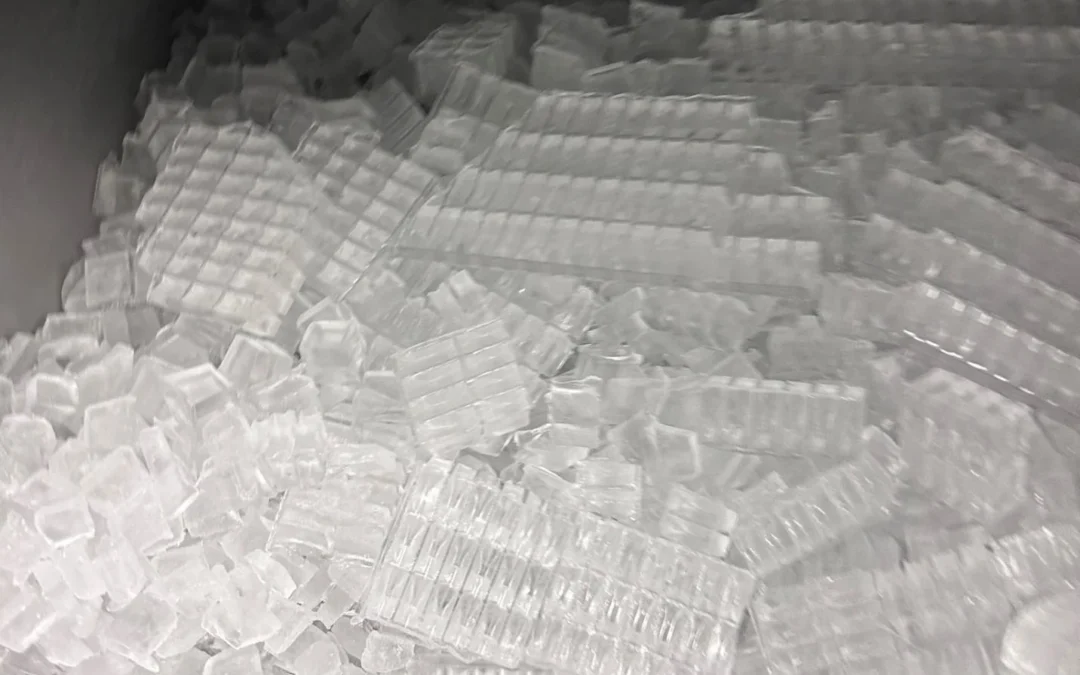
The ice machine stops working. Your first thought is usually the repair itself. A service call. Replacement parts. A short period of inconvenience. A technician arrives, diagnoses the issue, orders parts, and schedules a return visit. A few days later, the machine is running again and operations return to normal.
What most business owners miss is that the repair itself is rarely the real problem.
Ice machine downtime creates a chain reaction that affects daily operations, customer experience, staff efficiency, and long-term reputation. While the repair invoice is easy to identify, the broader business impact often goes unnoticed and unmeasured. Lost sales, frustrated customers, emergency workarounds, and operational disruption quietly accumulate while attention stays focused on the equipment itself.
Understanding the true cost of ice machine downtime requires looking beyond the service call and examining how even a short interruption can ripple through your entire operation. Once those hidden impacts are recognized, the value of preventive maintenance becomes far clearer.
Lost Revenue From Turned-Away Customers
Restaurants without ice turn away customers or offer significantly diminished service. Beverages served without ice disappoint customers who expect cold drinks with their meals. Many customers choose to leave when told drinks won’t have ice, taking their entire check to a competitor down the street.
A moderate-sized restaurant typically serves 200-300 customers daily. If ice machine failure causes just 20% of customers to leave or order less, the revenue impact adds up quickly. Twenty customers choosing a different restaurant represents $400-600 in lost sales daily. Over three days of downtime, that totals $1,200-1,800 in revenue that walked out the door.
Convenience stores face similar impacts. Customers expect fountain drinks and iced beverages. Stores without ice lose impulse beverage purchases that carry high profit margins. A convenience store selling 100 fountain drinks daily at $2.00 each loses $200 in daily revenue when the ice machine fails. The profit margin on fountain drinks exceeds 80%, meaning each day without ice eliminates $160 in pure profit.
The Reputation Damage You Cannot Measure
Customer experience shapes reputation in ways that affect your business long after equipment repairs are complete. Customers posting negative reviews about warm drinks or no ice create lasting impressions that discourage future business from people who have never visited your establishment.
Online reviews mentioning equipment problems or service issues influence potential customers researching where to eat or shop. One negative review about inadequate beverage service reaches hundreds of potential customers through search results and review platforms. The customers who choose competitors based on these reviews never appear in your revenue calculations, yet they represent real financial losses.
Repeat customers expect consistency. Regular patrons encountering problems during visits may choose different establishments for their next meal or purchase. Winning back customers who switch to competitors requires substantially more effort and expense than keeping them satisfied in the first place.
Emergency Service Costs vs. Preventive Maintenance
Emergency refrigeration repairs cost significantly more than scheduled service calls. Technicians responding to urgent equipment failures charge premium rates for immediate response, particularly for after-hours, weekend, or holiday service needs. Emergency service rates often run 150-200% higher than scheduled maintenance visit costs.
Parts ordered for emergency repairs rarely qualify for standard shipping. Overnight or expedited shipping adds 30-50% to parts costs compared to standard delivery timelines. When your business cannot operate without ice, you pay whatever shipping costs are necessary to restore equipment quickly.
Emergency repairs also mean accepting the first available technician rather than choosing providers based on reputation, pricing, or expertise. Rushed repairs sometimes address immediate symptoms without identifying underlying problems, leading to repeated failures requiring additional service calls.
Professional commercial refrigeration service in Fresno through preventive maintenance programs costs substantially less than emergency repairs while preventing the downtime that generates hidden costs throughout your operation.
Product Waste and Inventory Losses
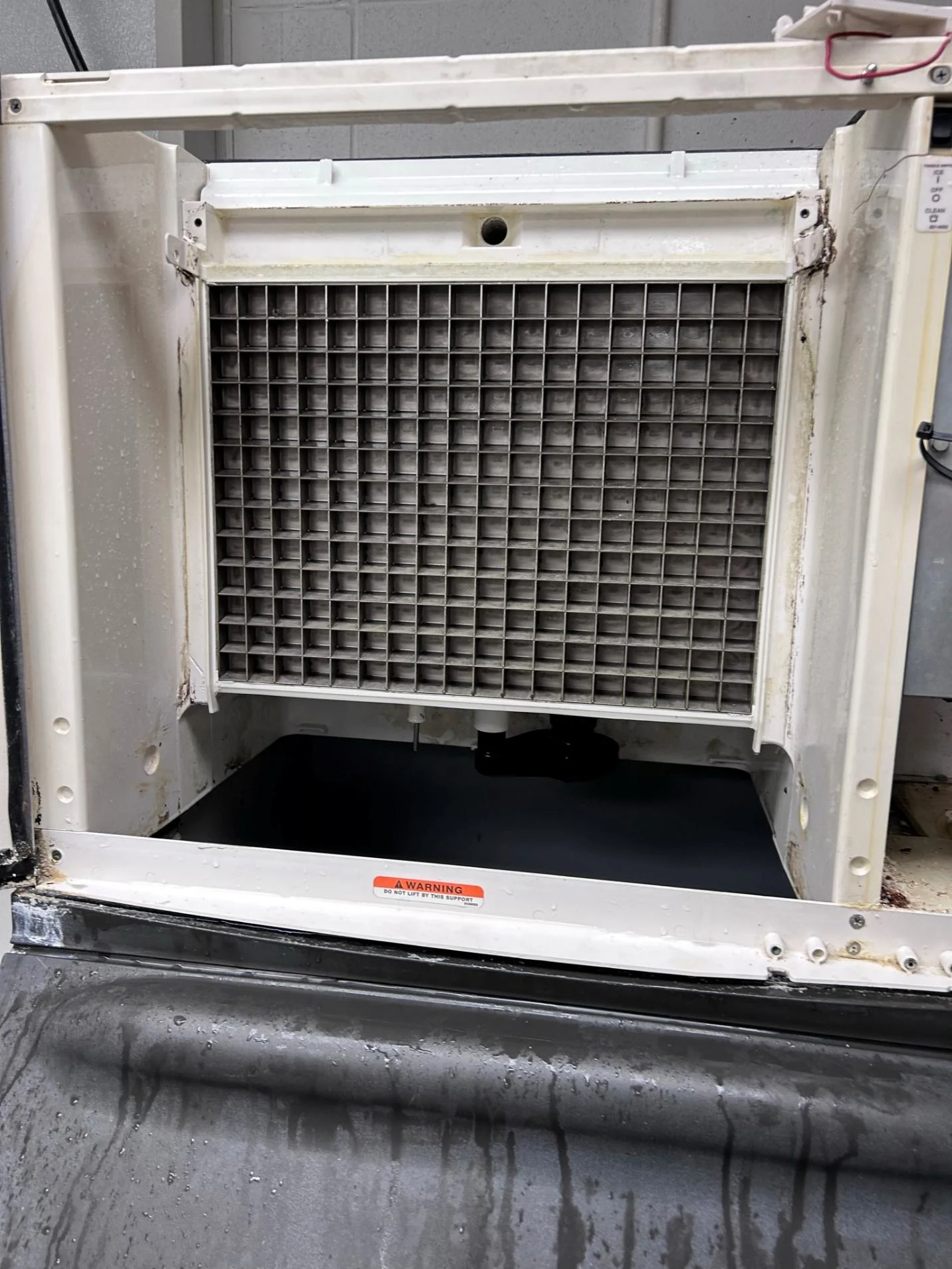
Healthcare facilities, laboratories, and food service operations face product losses extending beyond customer-facing impacts. Medical facilities rely on ice for patient care, sample preservation, and treatment protocols. Ice machine failures jeopardize patient safety and force expensive workarounds involving purchased ice or temporary equipment rentals.
Restaurants preparing cold dishes, seafood displays, or specialty beverages require consistent ice availability. Without ice, prepared items spoil faster, and presentation quality suffers. The cost of wasted food inventory during ice machine downtime adds up quickly, particularly for businesses maintaining extensive cold preparation stations.
Bars and high-volume beverage operations maintain specific ice types for different drink preparations. Craft cocktail programs depend on particular ice shapes and sizes that cannot be easily substituted. When specialty ice machines fail, businesses either compromise drink quality or eliminate menu items until repairs are complete.
Labor Costs and Operational Inefficiency
Staff spend substantial time managing ice machine failures and implementing workarounds. Employees making emergency ice runs to grocery stores or neighboring businesses waste labor hours that should be focused on serving customers. The time spent locating alternative ice sources, transporting ice, and managing temporary solutions represents pure operational cost with zero revenue generation.
Purchasing ice from retail sources costs 4-6 times more than ice produced by commercial machines. A business using 200 pounds of ice daily pays $40-80 for purchased ice compared to approximately $2-5 in electricity and water for machine-produced ice. Over multiple days of downtime, these costs become substantial.
Temporary ice solutions also create additional labor demands. Staff must monitor ice levels constantly, make repeated purchase trips, and manage storage for purchased ice that wasn’t planned in facility design. These inefficiencies reduce the time staff can dedicate to customer service and revenue-generating activities.
Customer Service Impact and Staff Morale
Employees dealing with upset customers about service limitations experience stress that affects overall job satisfaction and performance. Staff explaining why drinks lack ice or apologizing for service shortfalls face customer frustration directly. This creates negative work environments that contribute to turnover in industries already facing staffing challenges.
Training new employees costs substantially more than retaining experienced staff. High turnover, driven partly by challenging work conditions created through equipment failures, represents an indirect cost of inadequate preventive maintenance programs.
Temporary Equipment Rental Expenses
Businesses facing extended ice machine repairs sometimes rent temporary equipment to maintain operations. Commercial ice machine rentals cost $200-500 weekly, depending on capacity and ice type requirements. Multi-week repairs quickly generate rental expenses that exceed preventive maintenance program costs for entire years.
Rental equipment also requires staff time for setup, integration into existing operations, and eventual removal. The disruption to normal workflow creates inefficiencies beyond just rental costs.
Insurance and Liability Considerations
Healthcare and food service facilities face regulatory compliance requirements around ice quality and availability. Ice machine failures that compromise patient care or food safety create potential liability exposures extending far beyond equipment repair costs.
Health department violations resulting from inadequate ice availability or quality problems generate fines and require corrective action plans that demand management time and resources. Serious violations can result in temporary operating restrictions that devastate business revenue.
The Compounding Effect of Repeated Failures
Businesses experiencing multiple ice machine failures throughout the year face compounding costs. Each breakdown brings new rounds of lost revenue, emergency service expenses, and operational disruptions. The cumulative impact over months significantly exceeds the cost of professional maintenance programs that prevent most equipment failures.
Older equipment without consistent maintenance fails more frequently. The interval between breakdowns shortens as components wear and systems operate with increasing inefficiency. Business owners sometimes accept repeated repairs as inevitable rather than recognizing that proper maintenance could eliminate most equipment failures entirely.
Calculating Your True Downtime Costs
Estimate your business’s actual ice machine downtime costs by considering all impact categories:
Daily revenue impact: Calculate average customers affected and typical transaction values for lost business.
Labor costs: Estimate hours spent on workarounds, emergency ice purchases, and reduced customer service capacity.
Product waste: Document inventory losses from temperature control problems or preparation limitations.
Emergency service premiums: Compare emergency repair rates to scheduled maintenance costs.
Reputation impact: Consider long-term business effects from negative reviews and customer experience problems.
Most businesses discover their true downtime costs exceed repair bills by 5-10 times when accounting for all hidden impacts. A $500 repair that takes three days to complete might actually cost $3,000-5,000 in total business impact.
Prevention Costs Less Than Recovery
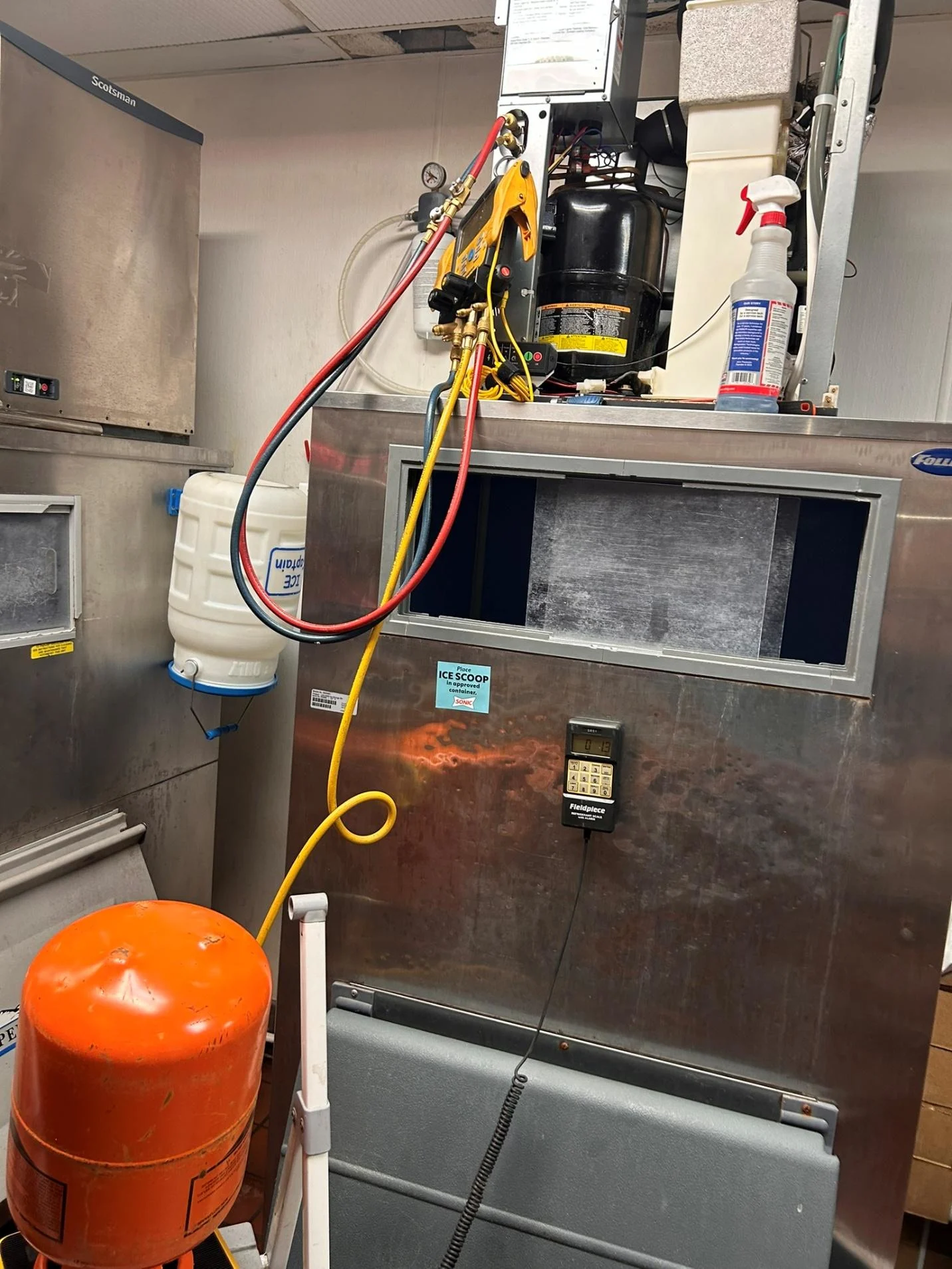
Preventive maintenance programs addressing ice machine reliability cost substantially less than managing repeated equipment failures. Quarterly professional service runs $300-500 annually for most commercial ice machines. This investment prevents breakdowns that generate costs thousands of dollars higher when all impacts are considered.
Scheduled maintenance allows businesses to plan around service timing rather than reacting to emergency situations during peak operating periods. Technicians performing preventive service identify developing problems before they cause complete equipment failure, allowing repairs during convenient times that minimize operational disruption.
Making the Investment Case for Preventive Maintenance
Business owners sometimes view preventive maintenance as discretionary spending that can be deferred when controlling costs. The reality proves the opposite: preventive maintenance represents one of the highest-return investments businesses can make in operational reliability.
Calculate the annual cost of preventive maintenance programs compared to your business’s potential downtime costs. Most businesses discover that preventing even one major breakdown justifies the entire annual maintenance investment. Every additional failure avoided represents pure savings.
Frequently Asked Questions
How much revenue does a typical restaurant lose during ice machine downtime?
Revenue losses vary by restaurant size and type, but most establishments lose $400-800 daily from turned-away customers, reduced beverage sales, and limited menu offerings. Over several days of downtime, losses easily reach $2,000-5,000 beyond repair costs.
What is the average cost of emergency ice machine repairs vs. scheduled maintenance?
Emergency repairs typically cost 150-200% more than scheduled service due to premium rates for immediate response and expedited parts shipping. Annual preventive maintenance programs cost $300-500, while emergency repairs often exceed $800-1,200 per incident.
Can businesses purchase ice to cover short-term machine failures?
Businesses can purchase retail ice temporarily, but the costs run 4-6 times higher than machine-produced ice. A business using 200 pounds daily pays $40-80 for purchased ice compared to $2-5 for machine production. This solution works short-term but becomes expensive quickly.
How do ice machine failures affect business reputation?
Equipment failures that disrupt customer experience generate negative reviews, social media complaints, and word-of-mouth reputation damage that affects business long after repairs are complete. Potential customers reading these reviews choose competitors, creating ongoing revenue losses impossible to quantify precisely.
What industries face the highest costs from ice machine downtime?
Healthcare facilities, restaurants, bars, hotels, and convenience stores face the highest downtime costs due to direct impacts on patient care, customer experience, and core revenue-generating activities. These industries depend on continuous ice availability for fundamental operations.
Protect Your Business From Hidden Downtime Costs
Ice machine failures cost businesses substantially more than repair bills when accounting for lost revenue, reputation damage, emergency service premiums, and operational disruptions. Preventive maintenance eliminates most equipment failures while costing a fraction of downtime’s true financial impact.
Top Pick Mechanical provides reliable commercial refrigeration maintenance that keeps ice machines running when your business needs them most. Our preventive maintenance programs identify problems before they cause breakdowns, protecting your business from the hidden costs that accompany equipment failures. We understand that every hour of downtime affects your bottom line, and we work efficiently to keep your equipment operating reliably.
Contact Top Pick Mechanical at 713-469-0024 to discuss preventive maintenance programs that protect your business from costly ice machine downtime and the hidden expenses that accompany equipment failures.