
Commercial refrigerators work continuously to preserve inventory, maintain food safety standards, and support daily business operations. Unlike residential units that cycle on and off throughout the day, commercial refrigeration equipment operates under constant demand, managing temperature fluctuations from frequent door openings and varying product loads.
A systematic monthly maintenance routine prevents most equipment failures while extending refrigerator lifespan significantly. Businesses that follow consistent maintenance schedules experience fewer emergency breakdowns, lower energy costs, and reliable performance that protects valuable inventory. This checklist provides the framework for maintaining commercial refrigerators at peak efficiency.
Temperature Verification and Monitoring
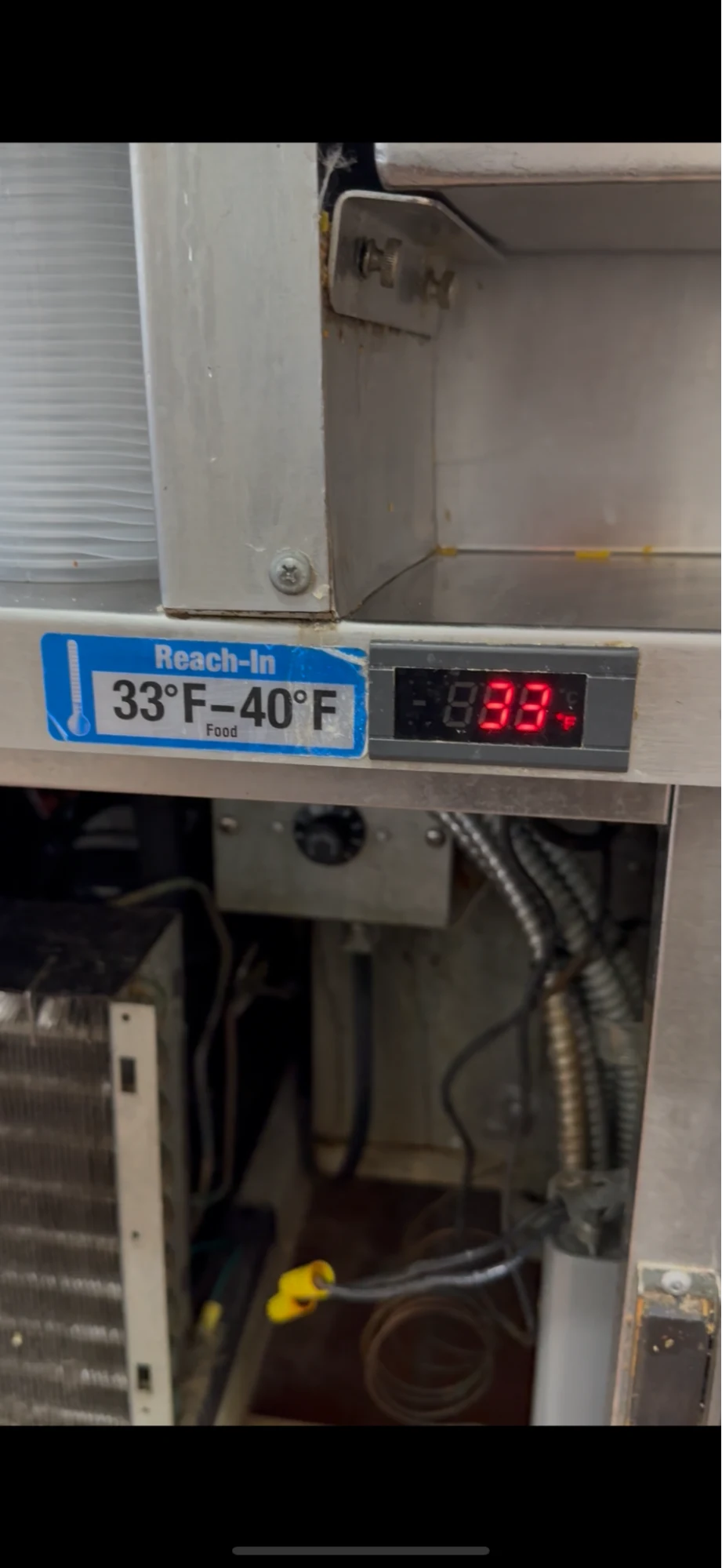
Start each monthly inspection by verifying temperature accuracy throughout your commercial refrigerator units. Use calibrated thermometers to measure actual internal temperatures rather than relying solely on digital display readings.
Check temperatures in multiple locations: top, middle, and bottom shelves, to identify temperature variations that indicate airflow problems or declining refrigeration capacity. Commercial refrigerators should maintain consistent temperatures between 35°F and 38°F throughout the interior space.
Compare actual temperatures against display readings. Discrepancies exceeding 3-4 degrees suggest sensor problems or control system drift requiring professional calibration. Temperature inconsistencies risk product spoilage and health code violations during inspections.
Document temperature readings in maintenance logs. Tracking temperature patterns over time helps identify gradual performance decline before it causes complete equipment failure. Consistent record-keeping also demonstrates compliance with health department requirements.
Door Gasket Inspection and Maintenance
Examine door gaskets carefully for wear, tears, gaps, or compression set that prevents proper sealing. Damaged gaskets allow cold air to escape continuously, forcing refrigeration systems to work harder and consume excess energy.
Perform the dollar bill test on all refrigerator doors. Close a dollar bill in the door at multiple points around the gasket perimeter. The bill should require a moderate pulling force to extract. Easy removal indicates poor seal contact requiring gasket adjustment or replacement.
Clean gaskets thoroughly using mild soap and warm water. Remove food residue, spills, and debris that accumulate in gasket folds. Buildup prevents proper sealing and harbors bacteria that create sanitation problems.
Check gasket mounting hardware for looseness. Gaskets attach to doors through retaining strips or screws that can sometimes loosen due to repeated door opening. Tighten any loose fasteners to restore proper gasket positioning and seal pressure.
Condenser Coil Cleaning
Locate condenser coils, typically found underneath units, behind grilles, or on the back panels of commercial refrigerators. These coils reject heat removed from the interior, making their cleanliness critical for efficient operation.
Disconnect power before cleaning condenser coils. Use soft brushes, vacuum attachments, or compressed air to remove dust, grease, and debris accumulation. Clean coils enable proper airflow and heat rejection, resulting in a 20-30% reduction in energy consumption compared to dirty coils.
Kitchen environments generate substantial grease-laden air that coats condenser coils, creating insulating layers that severely impact performance. Monthly cleaning proves essential in commercial kitchen applications where airborne grease accumulates rapidly.
Inspect coil fins for damage while cleaning. Bent fins restrict airflow and reduce heat transfer efficiency. Use fin combs to straighten bent fins carefully without causing additional damage to delicate coil structures.
Professional commercial refrigeration service in Fresno includes deep coil cleaning using specialized equipment and techniques that reach areas difficult to access during routine maintenance.
Interior Cleaning and Sanitization
Empty refrigerators completely for thorough monthly cleaning. Remove all shelving, drawer assemblies, and removable components for separate washing and sanitization.
Clean interior walls, floors, and ceilings using approved food-safe cleaning solutions. Remove spills, food residue, and any buildup that accumulates during normal operations. Thorough cleaning prevents mold and bacteria growth that contaminates products and creates health code violations.
Pay special attention to drain pans and drainage systems inside refrigerator compartments. Blocked drains cause water accumulation that damages components and creates unsanitary conditions. Flush drains with approved cleaners to maintain proper flow.
Inspect shelving and drawer slides for damage or wear while components are removed. Replace broken shelves or damaged tracks that affect proper food storage and organization. Clean and sanitize all components before reinstalling them.
Evaporator Coil and Fan Inspection
Access evaporator coils located inside the refrigerated compartment, typically behind interior panels or grilles. These coils absorb heat from the interior space, making their condition critical for cooling performance.
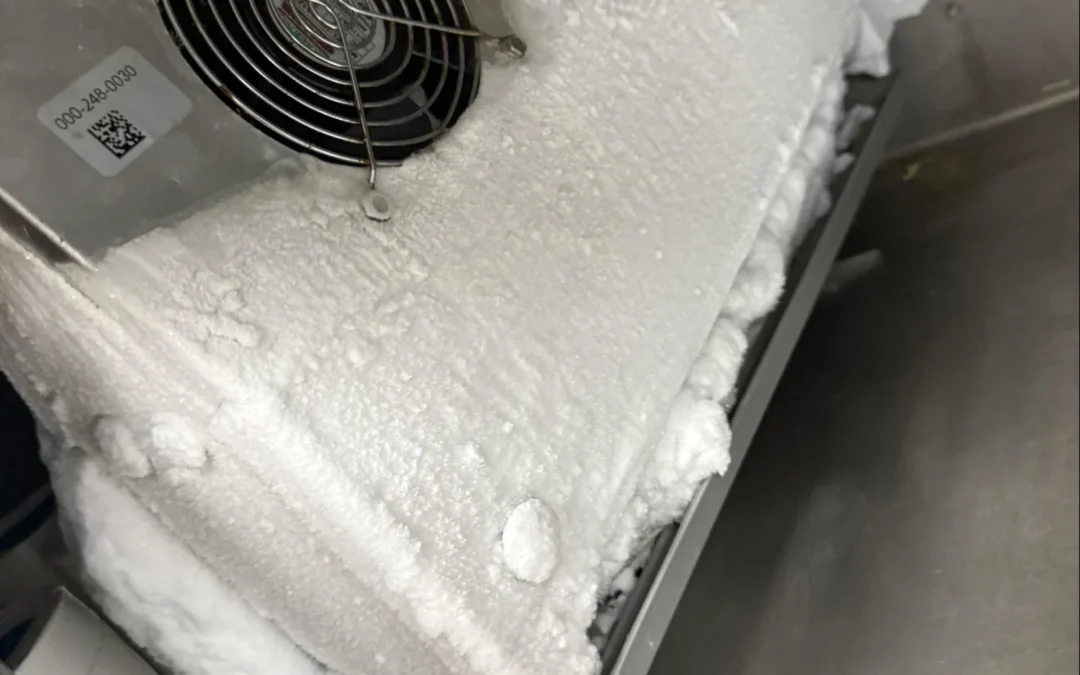
Check for frost or ice buildup on evaporator coils. Light frost proves normal during operation, but heavy ice accumulation indicates defrost system problems, excessive humidity infiltration, or airflow restrictions requiring attention.
Verify that evaporator fans operate smoothly without unusual noises. Listen for grinding, squealing, or rattling sounds that signal bearing wear or blade damage. Fan failures stop air circulation, creating temperature variations throughout the refrigerator.
Ensure nothing blocks the evaporator fan discharge. Overstocked refrigerators with products packed against vents restrict airflow, reducing cooling efficiency and creating warm spots where products may not remain at safe temperatures.
Door Hardware and Alignment Check
Test door hinges for smooth operation without binding, excessive play, or misalignment. Properly functioning hinges keep doors aligned with frames, maintaining seal integrity and preventing air infiltration.
Lubricate door hinges according to the manufacturer’s specifications. Use food-grade lubricants appropriate for commercial food service applications. Proper lubrication extends hinge life and ensures smooth door operation under heavy-use conditions.
Check door latches and handles for proper function. Latches should engage securely and hold doors firmly closed. Handles must operate smoothly without looseness or damage. Replace worn components before they fail during service periods.
Verify door closure mechanisms function correctly. Self-closing doors should close completely from any opening angle without requiring manual assistance. Adjust closure mechanisms as needed to maintain proper automatic operation.
Drain Line Maintenance
Locate drain lines that remove condensate from refrigeration systems. These lines prevent water accumulation inside units while managing the moisture removed during the cooling process.
Flush drain lines monthly using approved commercial drain cleaners or hot water mixed with mild cleaning solutions. Preventive flushing removes gradual buildup before it causes complete blockages that lead to water backup and equipment damage.
Check drain line routing for proper slope and secure mounting. Lines must slope continuously downward without sags or low spots where water collects. Poorly routed drains create standing water that becomes a breeding ground for bacteria.
Inspect drain pans located beneath units for cleanliness and proper function. Empty and clean drain pans monthly, removing any accumulated debris or buildup. Clean drain pans prevent odors and maintain sanitary conditions.
Electrical Connection Inspection
Examine visible electrical connections for signs of corrosion, discoloration, or looseness. Electrical problems develop gradually in commercial refrigeration environments where moisture and temperature cycling affect connections over time.
Check power cords for damage, including fraying, cracking, or exposed wiring. Damaged cords create fire hazards and risk electrical shock. Replace any compromised electrical cords immediately using appropriate replacement parts.
Verify that circuit breakers and disconnect switches operate properly. Test these safety devices to ensure they trip appropriately and reset correctly. Malfunctioning breakers compromise electrical safety and risk equipment damage during fault conditions.
Never attempt electrical repairs without proper training and qualifications. Electrical work requires licensed professionals with appropriate expertise. Note any electrical concerns during monthly inspections for professional assessment and repair.
Compressor and Control System Check
Listen to compressor operation during monthly inspections. Compressors should run smoothly with consistent, normal operating sounds. Unusual noises, including knocking, rattling, or grinding, indicate developing mechanical problems requiring professional diagnosis.
Monitor how frequently compressors cycle on and off. Extremely short cycles or continuous operation without cycling suggest control problems, refrigerant issues, or capacity loss from failing components.
Check the control panel displays for error codes or warning indicators. Modern commercial refrigerators include diagnostic systems that alert users to developing problems. Address any displayed warnings promptly to prevent minor issues from escalating.
Verify that thermostat controls respond appropriately to setting changes. Adjusting temperature settings should trigger corresponding changes in compressor operation and internal temperatures within reasonable timeframes.
Lighting System Maintenance
Inspect interior lighting for burned-out bulbs or flickering fixtures. Replace failed bulbs promptly using appropriate replacement types specified by manufacturers. Proper lighting proves essential for food safety and efficient product handling.
Clean light covers and fixtures monthly. Grease and dust accumulation on light covers reduces illumination while creating unsanitary conditions inside food storage areas.
Consider LED lighting retrofits during bulb replacement cycles. LED bulbs consume substantially less energy, generate minimal heat that must be removed by refrigeration systems, and last significantly longer than traditional lighting technologies.
Exterior Cleaning and Appearance
Clean exterior surfaces, including doors, handles, and side panels, using appropriate cleaning solutions. Professional appearance reflects overall cleanliness standards that customers notice and health inspectors evaluate.
Remove dust, fingerprints, and spills from exterior surfaces. Pay particular attention to handles and door edges that receive frequent contact during daily operations.
Polish stainless steel surfaces according to grain patterns using appropriate stainless steel cleaners. Proper cleaning maintains an attractive appearance while preventing corrosion that damages finishes over time.
Documentation and Record Keeping
Document all monthly maintenance activities, including dates, tasks completed, problems identified, and corrective actions taken. Detailed records demonstrate proper equipment care and support warranty claims if major repairs become necessary.
Maintain temperature logs showing consistent proper storage conditions. Health departments require documentation proving that refrigeration equipment maintains appropriate temperatures continuously.
Record when gaskets, filters, or other wear items were replaced. Tracking replacement intervals helps predict future maintenance needs and budget for upcoming component replacements.
Note any developing concerns that require monitoring or future professional attention. Early documentation of minor issues helps technicians diagnose problems more quickly when professional service becomes necessary.
Frequently Asked Questions
How long does monthly commercial refrigerator maintenance take?
Monthly maintenance for a single commercial refrigerator typically takes 30-45 minutes when performed systematically. Facilities with multiple units should allocate approximately one hour per unit to complete thorough inspections and cleaning tasks properly.
Can I perform commercial refrigerator maintenance myself or do I need a professional?
Business staff can handle monthly cleaning tasks, gasket inspections, and basic maintenance included in this checklist. However, quarterly or semi-annual professional service remains essential for refrigerant system checks, electrical component testing, and comprehensive mechanical inspection requiring specialized expertise and equipment.
What are the signs that commercial refrigerators need immediate professional service?
Temperatures rising above 40°F, unusual compressor noises, water leaking inside or outside the unit, error codes on control displays, or frost buildup inside refrigerated compartments all indicate problems requiring immediate professional diagnosis and repair.
How much does commercial refrigerator maintenance cost?
Professional maintenance service typically costs $150-300 per unit for comprehensive quarterly or semi-annual inspections. This investment proves substantially less expensive than emergency repairs or product losses from equipment failures. Preventive maintenance reduces total ownership costs significantly over the equipment’s lifespan.
Why is monthly maintenance important for commercial refrigerators?
Monthly maintenance prevents most equipment failures, reduces energy consumption by 20-30%, extends equipment life by years, maintains food safety compliance, and protects valuable inventory from temperature-related losses. The time invested in monthly maintenance saves substantially more in avoided repairs and operational disruptions.
Maintain Peak Refrigeration Performance
Systematic monthly maintenance keeps commercial refrigerators operating efficiently while preventing the breakdowns that disrupt operations and risk inventory losses. Following this checklist protects your equipment investment and ensures reliable performance throughout demanding commercial service.
Top Pick Mechanical provides expert commercial refrigeration maintenance and repair for businesses throughout Fresno and surrounding Texas communities. Our experienced technicians deliver comprehensive service that complements your monthly maintenance routines, identifying developing problems and performing repairs that keep your refrigeration equipment running reliably. We understand that commercial operations cannot tolerate equipment downtime, and we respond quickly when problems develop.
Contact Top Pick Mechanical at 713-469-0024 to schedule professional refrigeration maintenance that protects your equipment and ensures consistent performance when your business depends on it.